
Practical Skills
Below is a breakdown of my creative practical process.
From editing the podcast to designing short-form Instagram content and crafting informative carousel posts. I’ll be outlining each step I took throughout the process to show how the final content came together.
Carousel Posts:
Reason for Creating Carousel Posts
The idea behind the creativity carousel posts stems from my desire to find new, engaging, and strategic ways to connect with my audience. These posts allow me to explore relevant podcast topics and address important conversations happening within the community that may not require a full episode, but are still valuable and informative.
I found this method to be especially successful last year. It allowed me to share meaningful content consistently while maintaining a creative and visually appealing format.
Design Process
My process begins by reusing the carousel template I originally designed when I launched the podcast. The template is clean, sleek, and simple, Yet visually striking enough to catch attention. I follow a minimalist approach that still includes key visual elements to make the content engaging and effective.
- Title Slide:
The first slide always features a bold, thought-provoking title or question that is easy to read and captures attention while scrolling through Instagram. This taps into psychological design principles like curiosity-driven engagement, where users are more likely to interact with content that challenges or intrigues them. - Content Slides:
I present the information using high-contrast text over a blurred yet meaningful background image. This keeps the viewer visually stimulated while focusing attention on the text, avoiding a plain and uninspired black-and-white format.
Credibility and Sources
All the information I share in these posts is either:
- Fact-checked and verified, or
- Sourced directly from Sikh scriptures—ensuring the content is trustworthy and grounded in authentic teachings.
Rise in Anti-Dasam Granth Rhetoric:
The post was designed and posted to address, a rise in anti-Dasam Granth rhetoric on social media, particularly in Canada, and aims to refute misinformation being spread about the Dasam Granth Sahib, a scripture attributed to Guru Gobind Singh Ji.
This post was made last minute when I saw everyone was talking about this matter and most were baseless points, or unclear with a set structure to read and gain user intention which is why I created this post.
Key Issues that were addressed:
- Claim: Akhand Paaths of Dasam Granth are disrespectful (beadbi)
- Response: This is false; traditional Sikh institutions (Taksals, Nihang Dals) never parkash Dasam Granth without Sri Guru Granth Sahib Ji present. Guru Granth Sahib Ji is universally accepted as supreme; Dasam and Sarbloh Granths are viewed as supportive.
- Claim: Dasam Granth contains Hindu mythology
- Response: Many passages in Dasam Granth inspire Bir Ras (warrior spirit) and are not found in Hindu texts. These include bani like Kharag Singh, used historically by saints and warriors like Baba Maharaj Singh Ji in their daily recitation.
- Claim: Dasam Bani is void of Naam (Divine Name)
- Response: Strongly rejected—Jaap Sahib alone contains 199 verses of divine names. Other banis like Chandi di Vaar, Shastar Naam Mala, and Charitropakhyan also glorify Akaal Purakh and emphasize Naam.
Conclusion:
The post argues that the Dasam Granth is a vital spiritual and inspirational text given by Guru Gobind Singh Ji, and respecting and reading it does not diminish the status of Guru Granth Sahib Ji. It promotes education over social media debates and encourages deep vichaar (reflection) and practice of Dasam Bani.
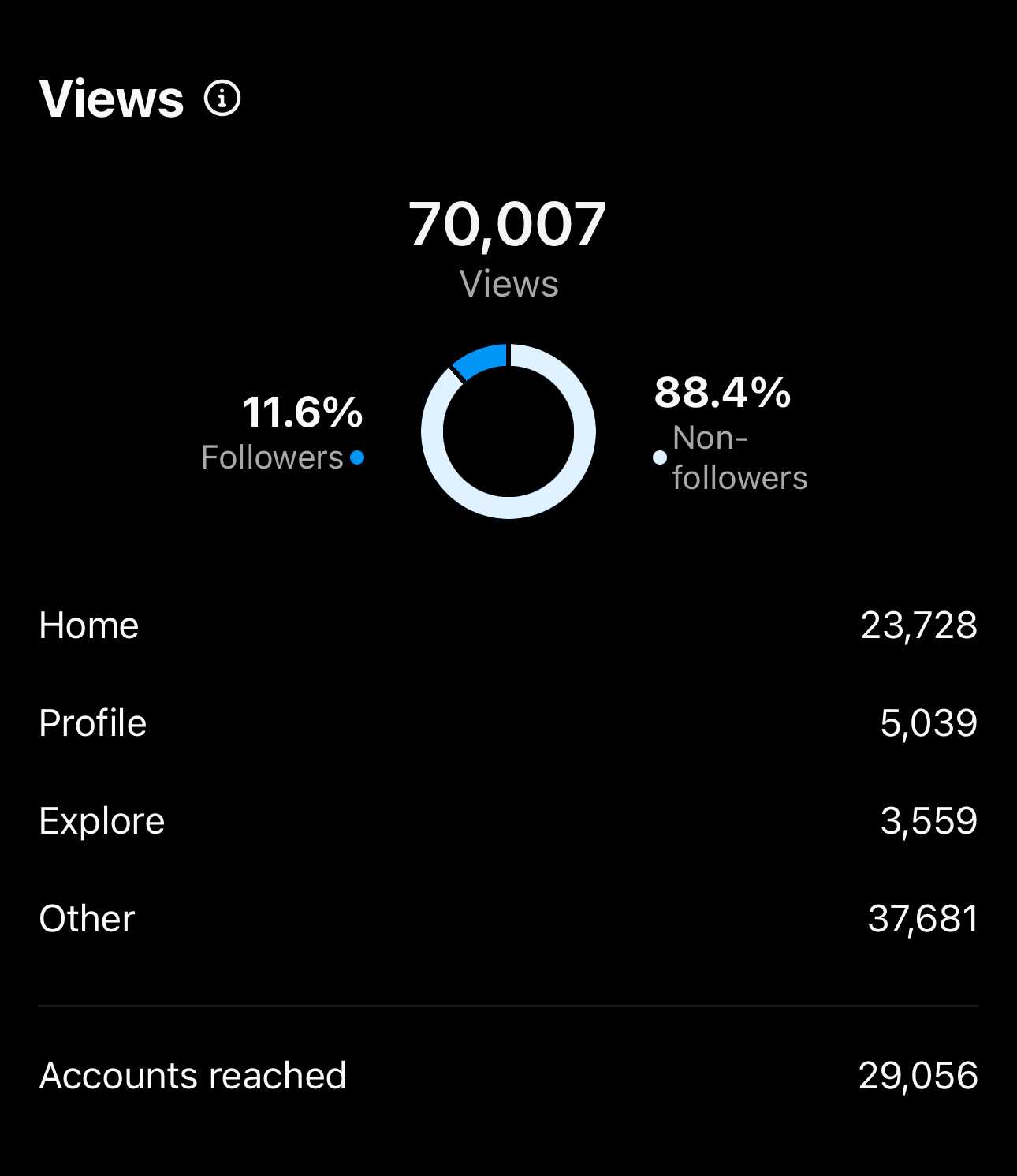
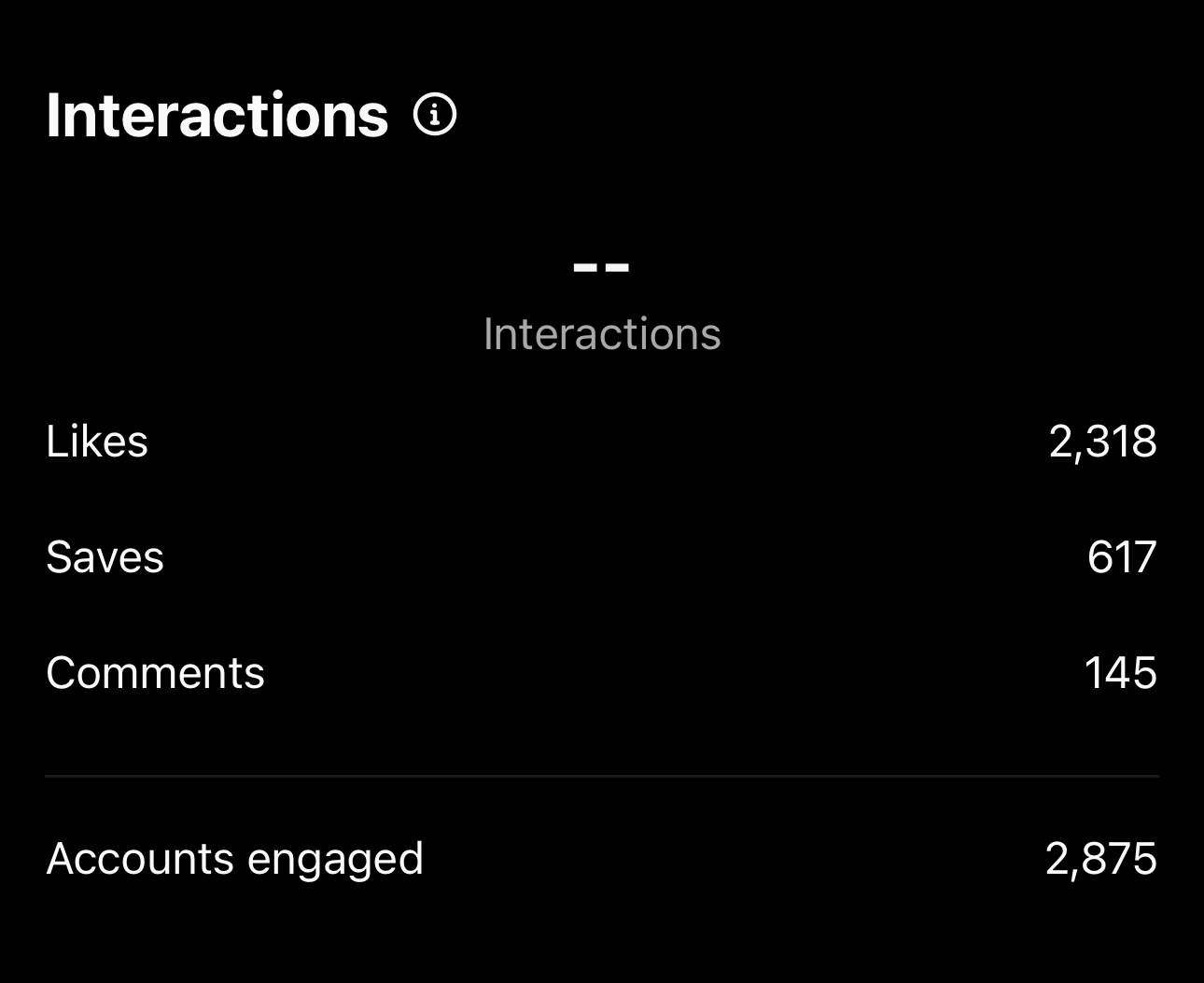
Post analytics:


The Rise of the Durag Singhs:
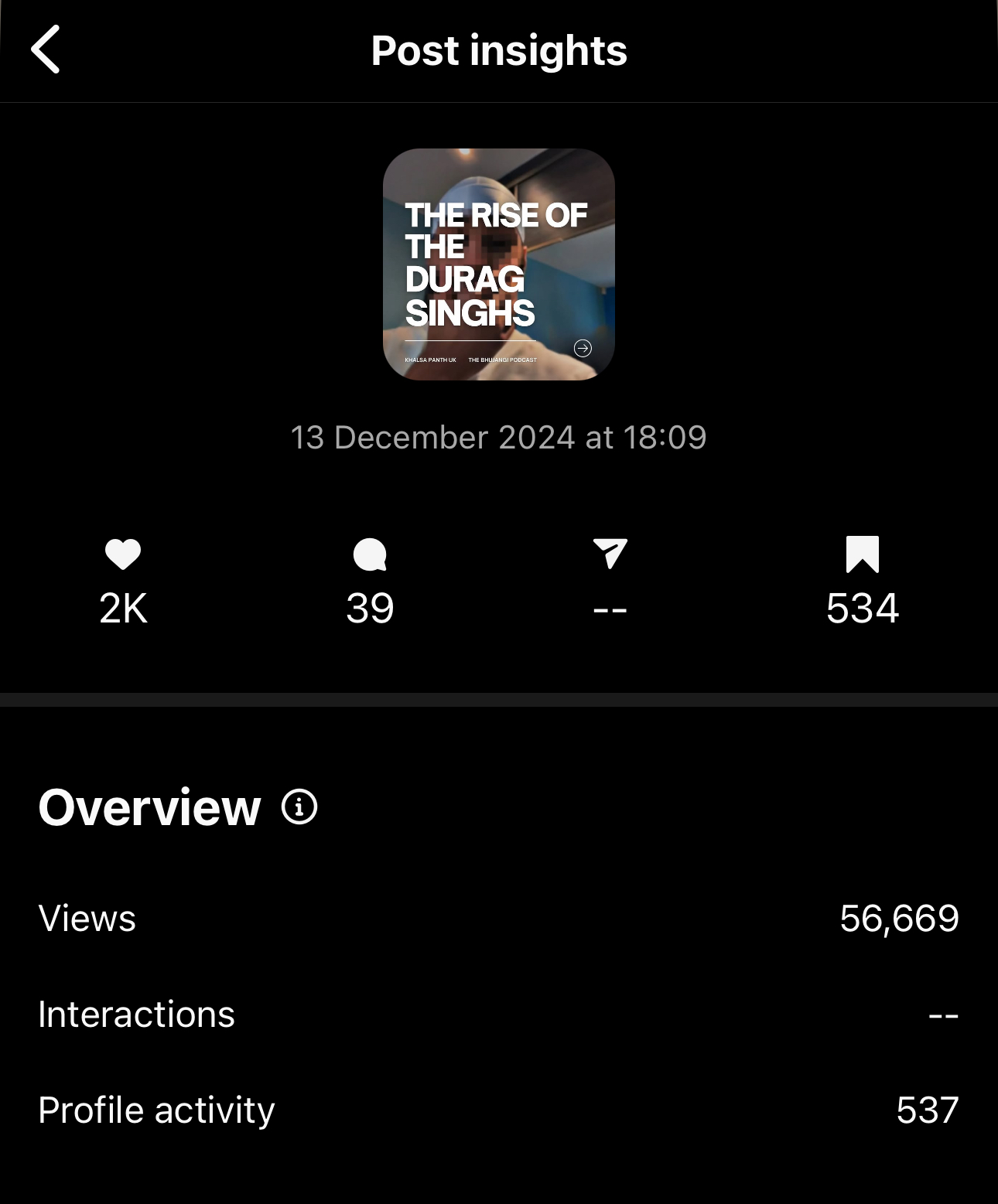
The post addresses the emerging trend of young Sikh men ‘Durag Singhs’ wearing durags instead of Dastars (turbans), raising concern that this shift prioritises fashion over faith and dilutes Sikh identity and values.
I myself also had worn a durag cpuple years ago and then realised why I should be tying a turban instead, which makes this an even more important post.
Key Issues Addressed:
- Concern over Normalisation of Durags
- Some Singhs wear durags, especially during early kesh growth, but the post warns against this becoming a normalised or permanent replacement for the Dastar.
- Spiritual and Historical Significance of the Dastar
- Guru Gobind Singh Ji gave the Dastar as a symbol of sovereignty, honour, and divine identity. It’s not a fashion statement but a sacred crown that visually and spiritually connects a Sikh to their Guru.
- Durag as a Fashion Trend
- The durag is associated with Black cultural identity and has no roots in Sikhi. Adopting it for fashion or to fit into mainstream culture contradicts Sikh values, which emphasise standing out, not blending in.
- Cultural Detachment and Loss of Identity
- Abandoning the Dastar risks losing connection to Sikh heritage, ancestral sacrifice, and cultural lineage. It’s portrayed as a step toward eroding the unique Sikh identity.
Conclusion:
The post urges young Sikhs to reflect on the significance of the Dastar, respect their heritage, and resist trends that undermine Sikh values. Tying a Dastar is seen as a daily act of remembrance, identity, and honour rooted in the sacrifices of the Sikh Gurus and Shaheed Singhs.
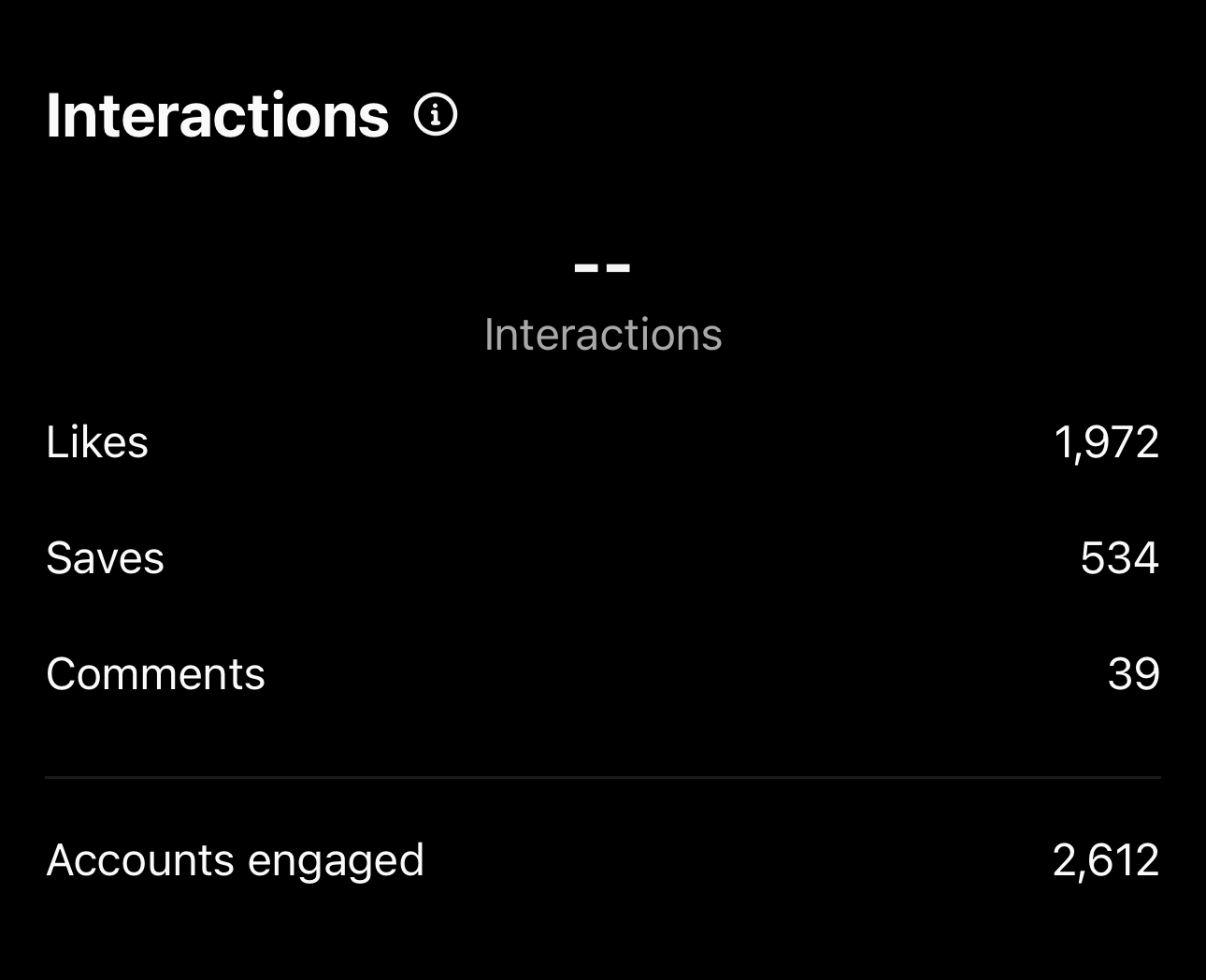
Post analytics


Diljit Dosanjh represented Punjabiyat not Sikhi:
Diljit Dosanjh’s 2025 Met Gala homage to Maharaja Bhupinder Singh, including his team’s inquiry to Cartier about borrowing the original Patiala Necklace, ignited massive online debate. Whilst many lauded the bold cultural statement, some Sikhs criticised it, arguing Bhupinder Singh’s controversial lifestyle and Diljit’s own perceived lack of strict adherence to Sikh tenets made him an unfitting representative and role model for the community on such a global stage.
The post addresses the controversy around Diljit Dosanjh’s 2025 Met Gala outfit, clarifying that his attire represented Punjabiyat (Punjabi cultural heritage), not Sikhi (the Sikh faith).
Key Points Addressed:
- Cultural, Not Religious Representation
- Diljit’s Met Gala look was inspired by royal Punjabi aesthetics, particularly from Maharaja Bhupinder Singh of Patiala, not by Sikh religious symbolism.
- Details of the Outfit
- He wore a sherwani, dastar, kalgi, and shawl—evoking early 20th-century Punjabi royalty and Indo-Persian influences, designed for elegance, not spiritual messaging.
- Clarifying the Kalgi Controversy
- Critics said only Sikh Gurus should wear a kalgi, but historically, it’s a symbol of royalty, not exclusive to Sikhi. It was worn by kings and nobles across India.
- Maharaja Bhupinder Singh’s Problematic Legacy
- While stylish, Bhupinder Singh was known for lavish living and loyalty to the British Empire, making him a symbol of elite privilege, not a people’s hero.
- Cultural Contradiction
- Diljit, who champions Punjabi farmers, modeled his look after a royal who contrasted with the struggles of ordinary Punjabis—raising questions about the alignment of his message.
- Conclusion
- The outfit was a tribute to Punjabi cultural history and royal artistry, not a religious statement. Apart from his Kirpan, it stayed within the realm of Punjabiyat, not Sikhi.
Post analytics:


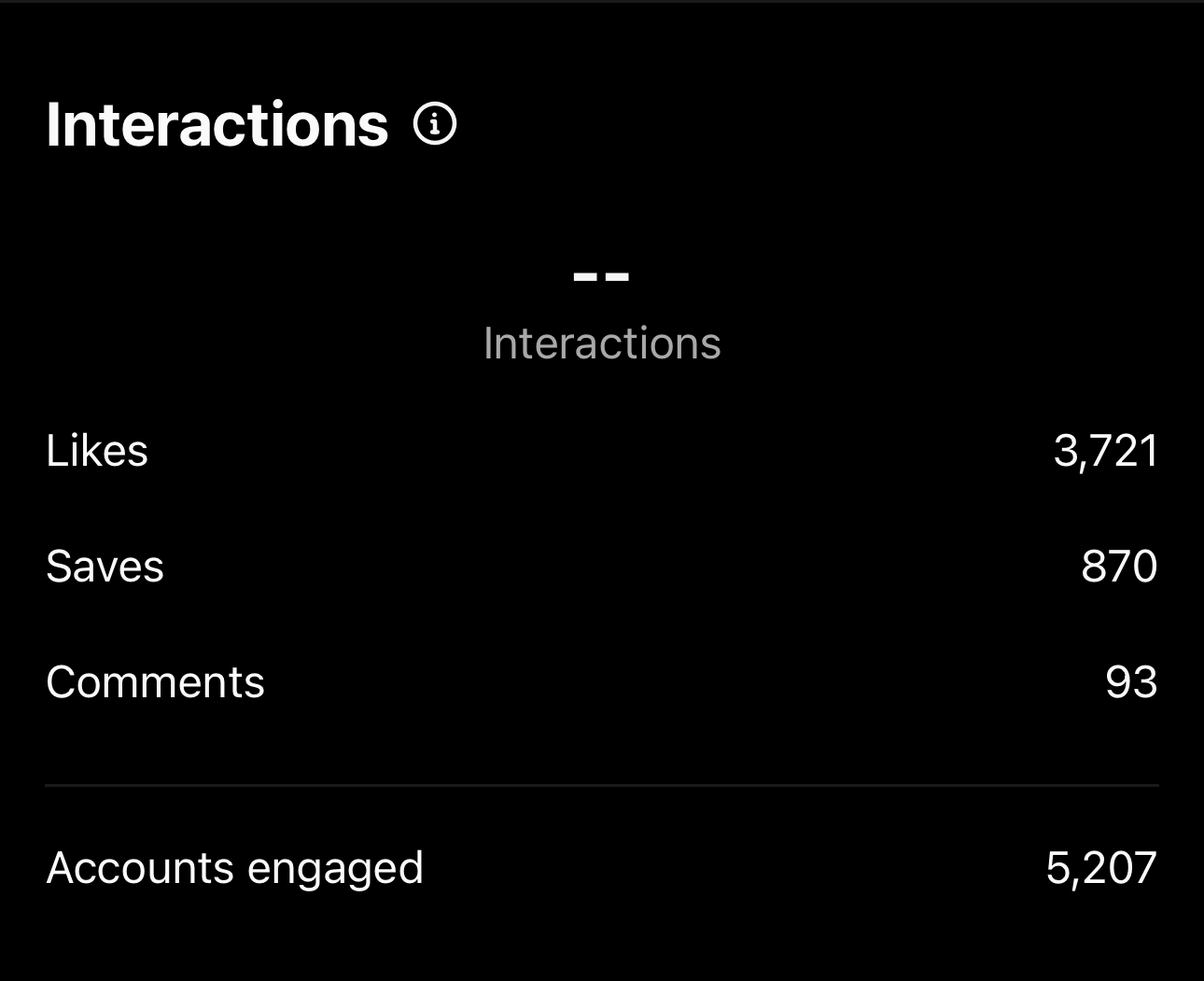

Top Performing Carousel Post: Diljit Dosanjh at the Met Gala
Out of all the carousel posts I created, the one featuring Diljit Dosanjh and his Met Gala outfit performed the best across all engagement metrics. It received the highest number of views, likes, saves, and profile visits, making it the most impactful post in terms of reach and interaction.
Upon analysing the post’s performance through Instagram insights, I found that the majority of views came from the Explore page. This suggests that the Instagram algorithm favoured the post, increasing its visibility to a wider audience beyond my current followers.
Harpreet Singh & Gurminder Singh Podcast
Studio camera set up
The Fateh Singh podcast was filmed in the school’s podcast studio suite, using a three-camera setup to achieve a dynamic and professional look.
- Camera 1: A tight shot focused on me, the host, to capture reactions and engagement throughout the conversation.
- Camera 2: A tight shot focused on the guest, providing a clear view of their expressions and responses.
- Camera 3: A wide-angle shot capturing both myself and the guest, along with the studio setup, to give viewers context and a sense of the overall space.
Recording the Harpreet Singh & Gurminder Singh Podcast:
My guest arrived right on schedule; however, I was still in the process of setting up the podcast studio. Fortunately, this wasn’t an issue as I had booked the studio for the entire day, giving me a comfortable buffer. It only took me an additional five minutes to finish setting up, which prevented any need to rush or risk cutting the episode short.
Upon arrival, I welcomed my guest and ensured a smooth check-in process. Their DBS check had already been reviewed in advance, allowing for a seamless sign-in.
We then made our way up to the podcast suite on the third floor, where we completed the final focus adjustments on the cameras before beginning the recording.
The recording itself went extremely well. We recorded for over two and a half hours across two separate sessions. The conversation flowed naturally, leading to in-depth discussions that branched into related topics—just as you’d expect in an engaging and authentic podcast episode.


Above are images from the recording
When it came to editing the podcast, the overall process was relatively straightforward and minimal, much like the episodes I recorded last year. Most of the work involved small adjustments — trimming pauses, fine-tuning audio levels, and ensuring smooth transitions — to create a clean and polished final product that matched the standard I had set for the series.
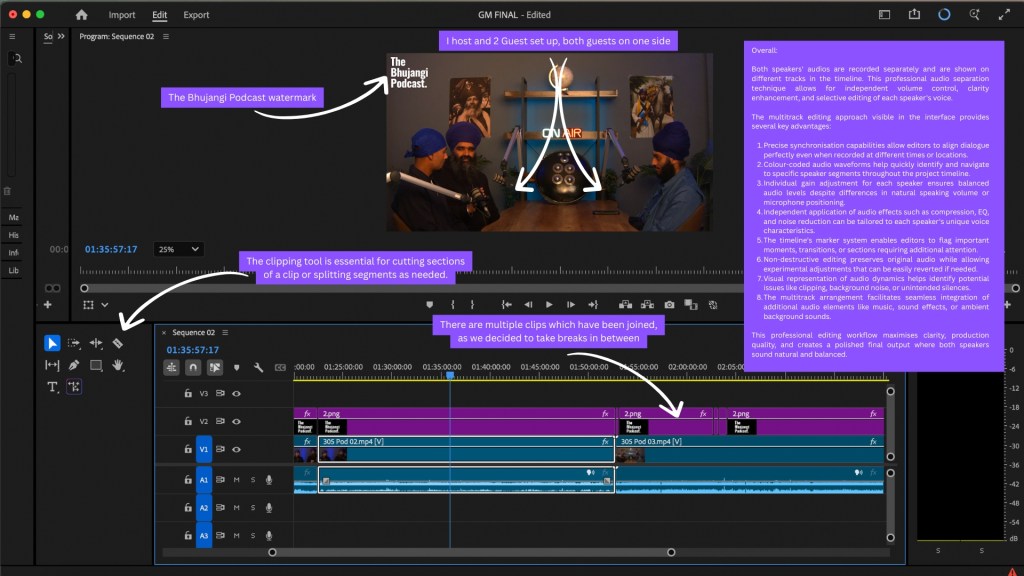
Thumbnail
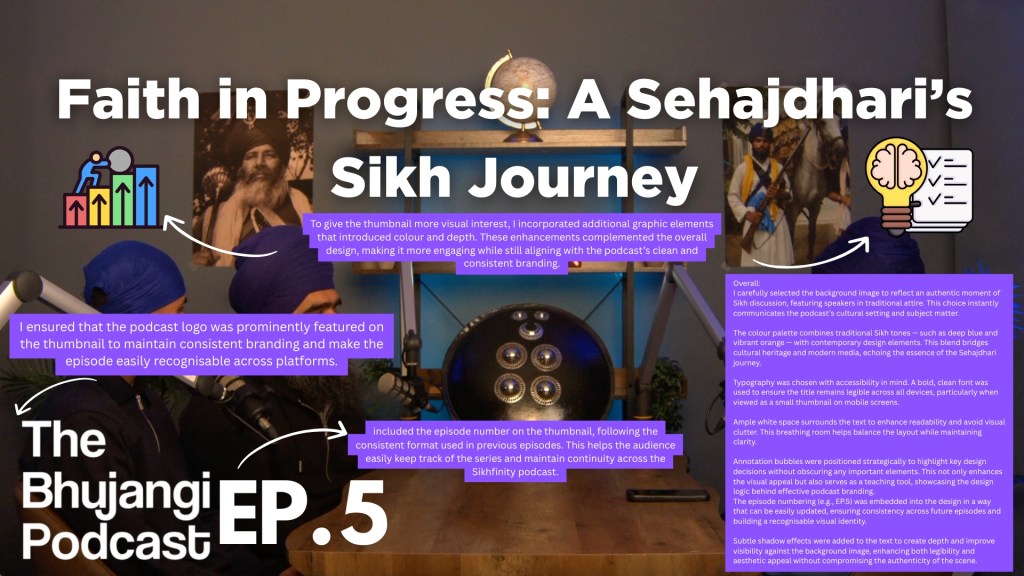
When it came to designing the thumbnail for the podcast episode, I reused the same layout I had created last year and designed it using Canva. The thumbnail maintained a clean, simple, and standard look; consistent with the visual identity I’ve developed for the podcast.
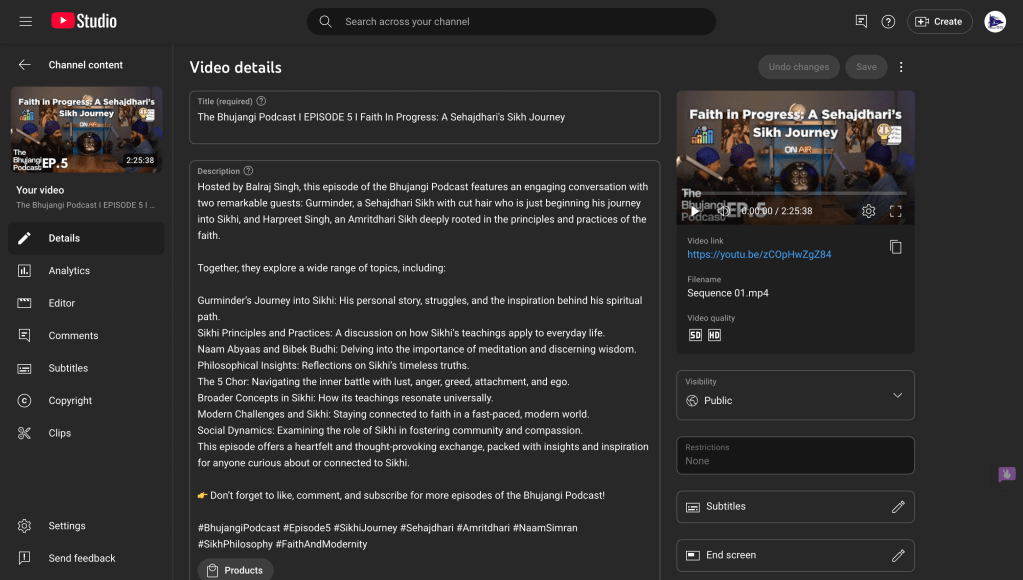
You can now watch the episode on Youtube below:
Uploading Podcast to Spotify

When uploading the episode to Spotify, I followed the standard procedure: first, I uploaded the audio file, then added the episode title, and finally included a brief summary description. This straightforward process ensured the episode was properly set up and easily discoverable by listeners.
You can now listen to the episode on Spotify below:
Short Form reel content
Just like the previous podcast episodes and social media content, short-form reel content remained a key priority. I was fully aware that the majority of podcast listeners would be coming through Instagram.
To effectively capture their attention, it was essential to create bite-sized, engaging snippets of the podcast for Instagram, complete with catchy subtitles and hooks. These reels were designed to deliver a quick dopamine hit, sparking enough curiosity and interest for the viewer to go on and watch the full episode.
To create the short-form clips, I used Opus.ai – now rebranded as OpusPro.
This AI-powered platform was incredibly useful, as it helped me automatically identify strategic, high-performing segments from the full podcast episode.
By analysing speech patterns, tone, and engagement cues, OpusPro selects clips that are most likely to perform well on social media, saving me time while boosting the potential reach and impact of each reel.
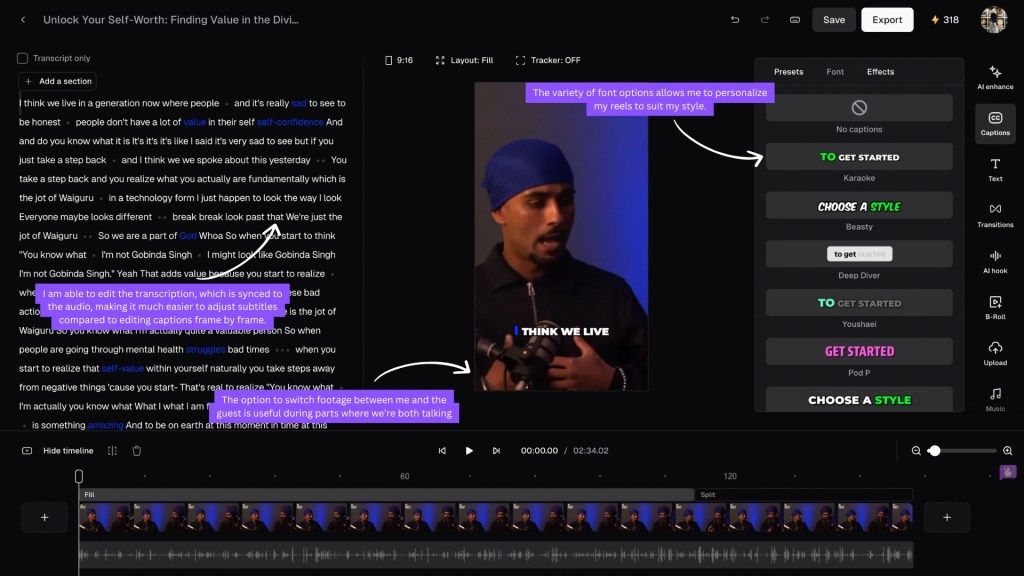
Watch one of the Instagram reels below:
Sikhfinity Podcast:
Home Studio set up
The recording setup was simple yet effective:
- Both speakers had their cameras on to capture high-quality video footage.
- Microphones were used to ensure clear and professional audio recording.
Recording the Sikhfinity Podcast
This straightforward setup allowed for a smooth recording process while maintaining strong audio-visual quality, which is essential for both streaming platforms and social media content creation.
Editing the episode was fairly straightforward and minimal, requiring only small adjustments to ensure a clean final product.
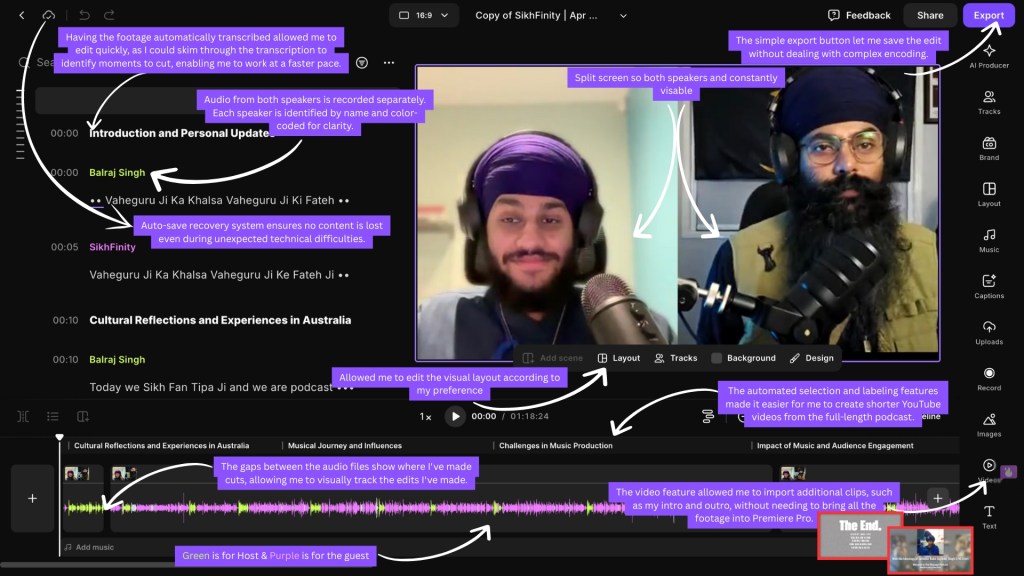
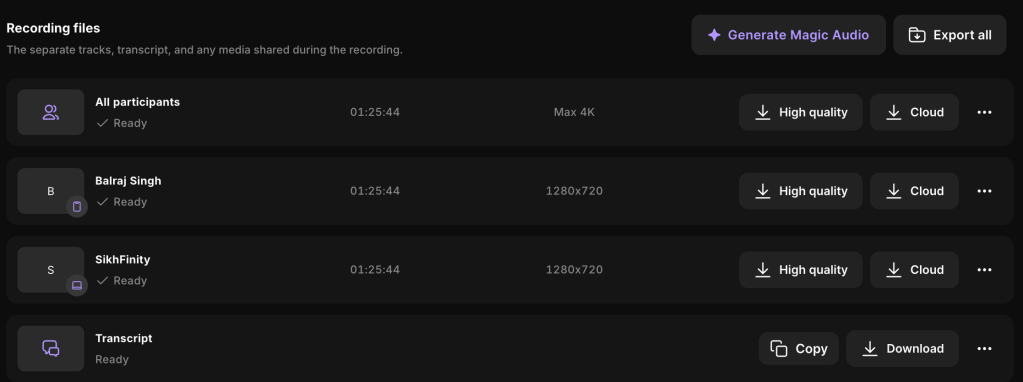
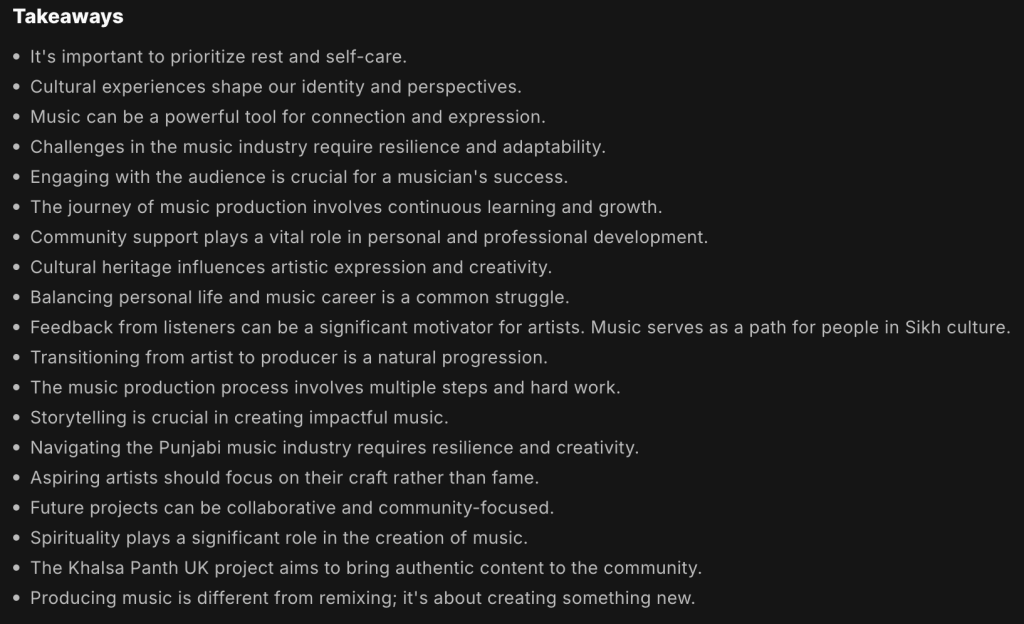

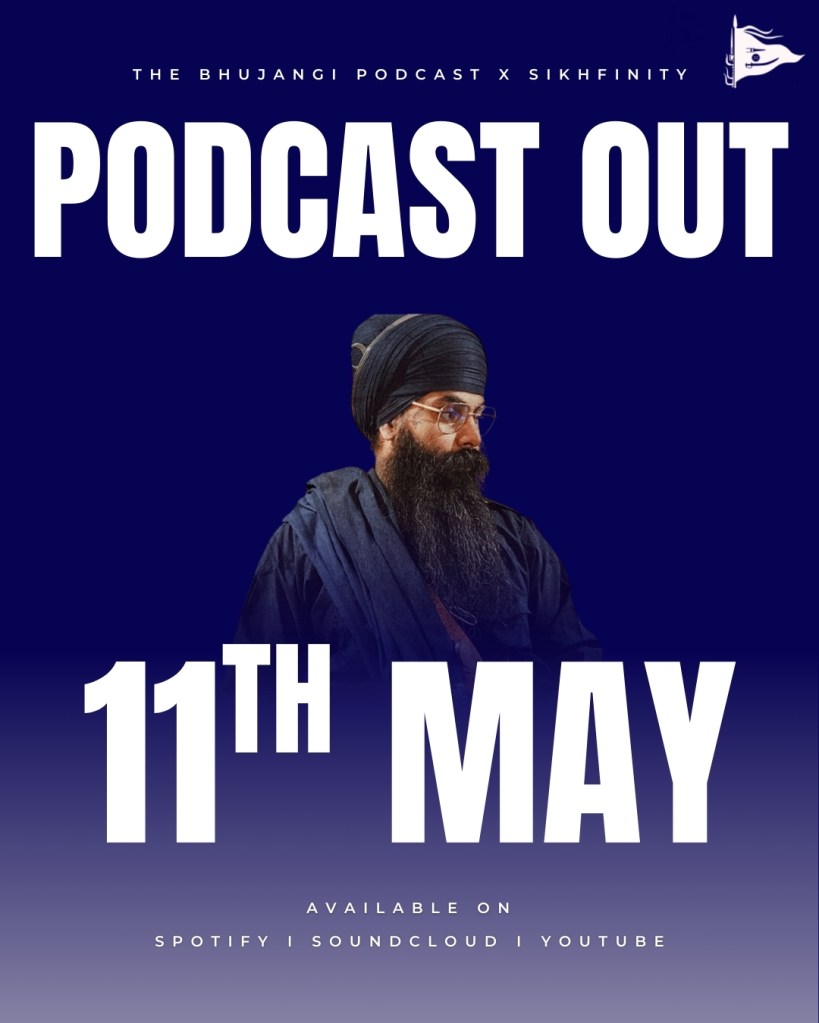
Once the podcast was edited, I began designing a trailer poster graphic to announce the release date. After posting this trailer, I prepared for the upload.
Trailer Poster Design
When designing this poster, I made a conscious effort to keep it bold and simple—eye-catching without being overwhelming. My aim was to create a clean and impactful design that would immediately draw attention while remaining easy to read and visually balanced.
Thumbnail
When it came time to publish the episode, I uploaded it to Spotify and YouTube. During this stage, I also created the thumbnail artwork using Canva. I was really pleased with the result, and decided to maintain a similar visual style for future episodes to keep the podcast’s branding consistent and recognisable.
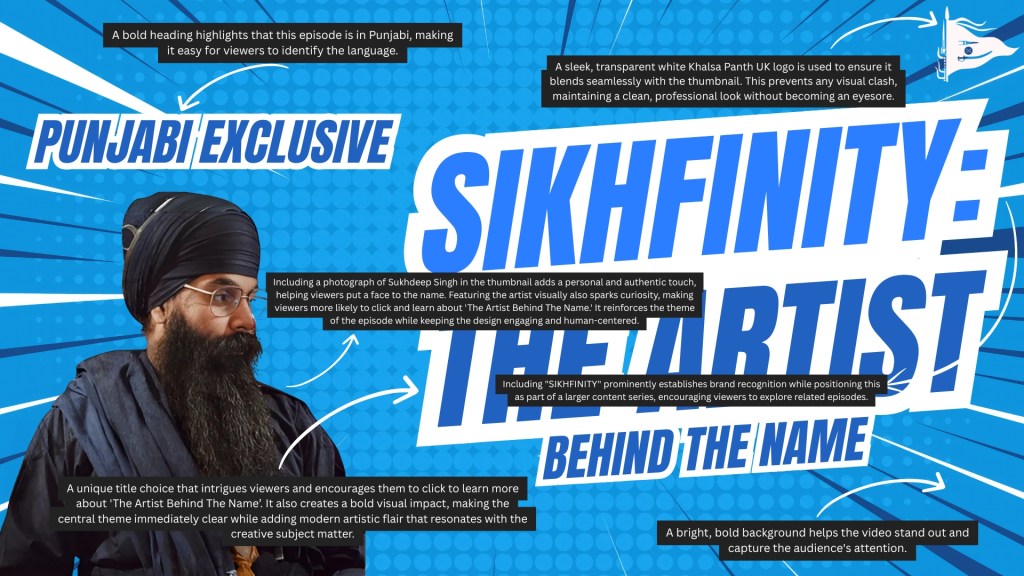
For this episode, I intentionally moved away from the previous year’s standardised thumbnail layout in an effort to refresh the visual identity of the podcast and make it more dynamic and engaging.
1. Visual Concept & Revamp Objective
The goal was to make the thumbnail feel more exciting and modern, while still staying true to the podcast’s cultural roots. I wanted to create a design that would immediately capture attention on platforms like YouTube and Instagram Reels, where visual appeal is crucial.
2. Background Selection
Rather than using a static or overly neutral background like in previous thumbnails, I chose a more vibrant image that reflects a candid moment from the podcast recording. This helped bring more life and authenticity to the design.
3. Colour Palette Update
I introduced a richer and more varied colour palette compared to the previous design — using bolder tones of orange, blue, and gold. These colours not only tie back to Sikh heritage but also pop more effectively on digital platforms, especially in dark mode interfaces.
4. Enhanced Typography
To modernise the look, I switched to a cleaner, sans-serif font and used bold all-caps for the title. This ensured readability across different screen sizes and added a stronger visual hierarchy to the design.
5. Episode Numbering & Branding Elements
The episode number (e.g., EP.6) was reworked into a more stylised and prominent badge in the corner, making it easier for returning listeners to follow the series. I also added the podcast logo in a subtle but visible way to reinforce brand identity.
6. Graphic Enhancements
To give the thumbnail more depth and visual interest, I layered subtle gradients and added icons and visual cues (e.g., quotation marks, waveform lines) that hint at the conversational nature of the podcast. This made the overall design feel more energetic and story-driven.
7. Composition & Layout
I adjusted the layout to create more movement and energy — moving away from centre-heavy alignment to a more dynamic asymmetrical arrangement. This helped highlight both the title and the image more effectively.
8. Thumbnail Cover for Reels
To maintain cross-platform consistency, I adapted this new thumbnail style into a vertical-friendly format for use as a cover on Instagram Reels, ensuring recognisability regardless of the viewing platform.

You can now watch the episode on Youtube below:
Uploading Podcast to Spotify

When publishing the podcast on Spotify, I realised that the platform had introduced a new feature allowing video content to be uploaded alongside the audio. This discovery was quite exciting, as it meant that listeners were no longer limited to just hearing the conversation but they could now watch the full video version of the podcast directly on Spotify.
This addition significantly enhanced the overall listener experience, especially for those who prefer a more visual and immersive format. It also allowed me to maintain a consistent multimedia presence across both Spotify and YouTube, giving viewers on each platform the option to engage with the podcast in the way that suited them best. This new feature aligned perfectly with my goal of increasing accessibility and visual engagement for my content.
You can now listen to the episode on Spotify below:
Short Form reel content
Just like the previous podcast episodes and social media content, short-form reel content remained a key priority. I was fully aware that the majority of podcast listeners would be coming through Instagram.
To effectively capture their attention, it was essential to create bite-sized, engaging snippets of the podcast for Instagram, complete with catchy subtitles and hooks. These reels were designed to deliver a quick dopamine hit, sparking enough curiosity and interest for the viewer to go on and watch the full episode.
To create the short-form clips, I used Opus.ai – now rebranded as OpusPro.
This AI-powered platform was incredibly useful, as it helped me automatically identify strategic, high-performing segments from the full podcast episode.
By analysing speech patterns, tone, and engagement cues, OpusPro selects clips that are most likely to perform well on social media, saving me time while boosting the potential reach and impact of each reel.
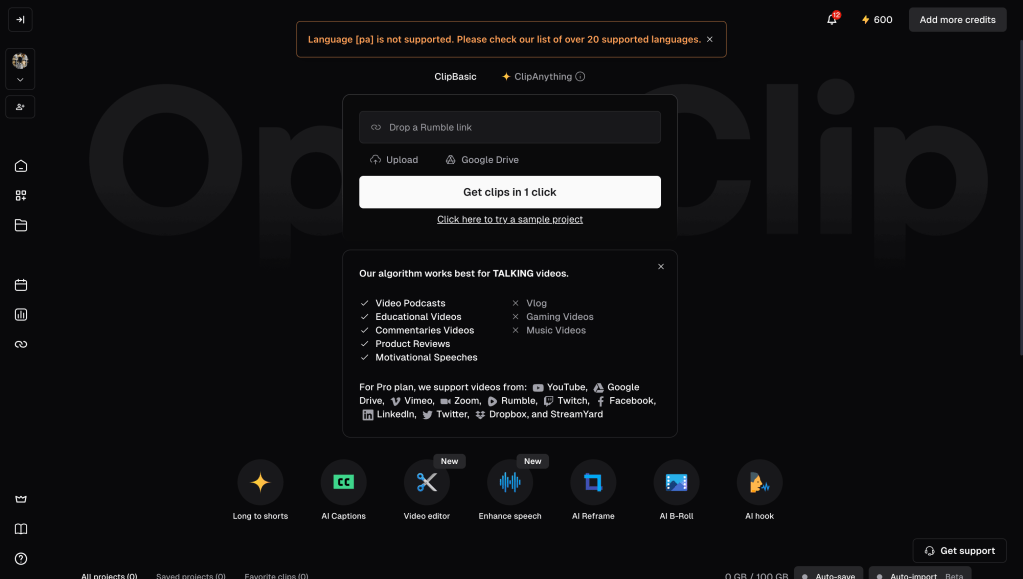
However, when uploading the file, I encountered an unexpected issue. The software flagged an error stating that it did not support the language of the footage.
Initially, I assumed that the platform was incompatible with the content. However, I decided to persevere and explore different solutions. First, I refreshed the webpage, which had no effect. I then closed and reopened the website, but the issue persisted. Finally, I logged out of my account and logged back in; to my surprise, this resolved the problem.
It appeared to be a temporary system error, but I was relieved to have found a solution without needing to re-edit or convert the footage.
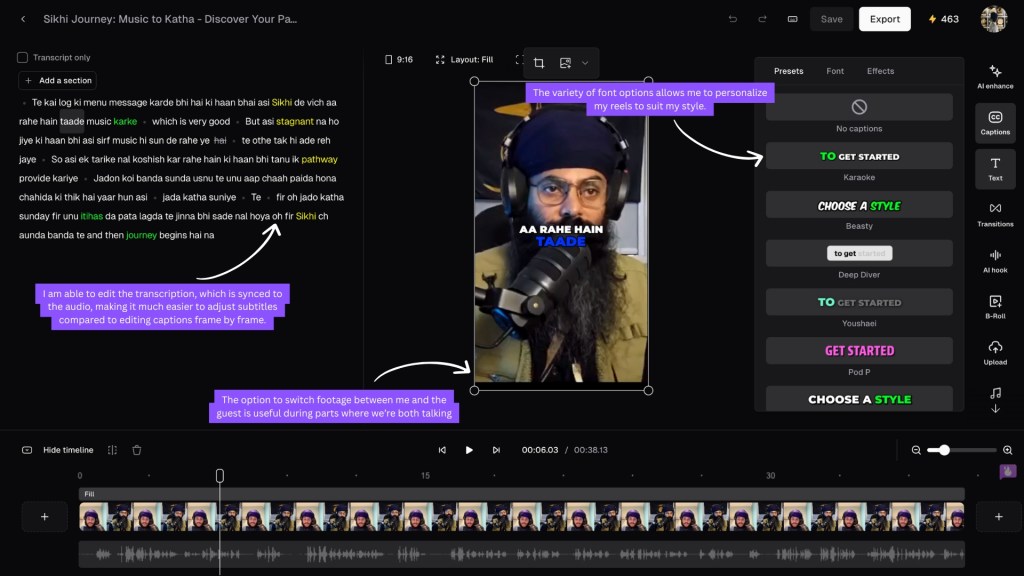
Watch one of the Instagram reels below:
Fateh Singh Podcast:
Studio camera set up
The Fateh Singh podcast was filmed in the school’s podcast studio suite, using a three-camera setup to achieve a dynamic and professional look.
- Camera 1: A tight shot focused on me, the host, to capture reactions and engagement throughout the conversation.
- Camera 2: A tight shot focused on the guest, providing a clear view of their expressions and responses.
- Camera 3: A wide-angle shot capturing both myself and the guest, along with the studio setup, to give viewers context and a sense of the overall space.
Recording the Fateh Singh Podcast
My guest arrived slightly later than scheduled, which wasn’t an issue as I had booked the studio for the entire day. This gave me a time buffer to avoid rushing the recording or cutting the episode short.
Upon arrival, I welcomed my guest and facilitated a smooth check-in process. I had sent over his DBS information in advance, ensuring a quicker and more seamless sign-in.
We then headed up to the podcast suite on the third floor and began final camera focus adjustments. Before jumping into the full recording, we ran a practice session — which is when we noticed an issue: only one microphone was being picked up, and the record button wasn’t triggering the actual recording.
I contacted the school’s technician, and the issue was resolved within 30 minutes.
To ensure everything was functioning correctly, we ran a second test. This time, audio levels were registering correctly on the vision mixer. I transferred the file to my MacBook to double-check the recording. The audio was clear, and the camera switching was working — however, I noticed a persistent flicker in the footage, it was to do with the shutter-speed and ISO.
I attempted to change the camera settings to fix the flicker, but they kept resetting for an unknown reason.
With time running out, I had to make a decision: either continue troubleshooting and risk cutting the podcast short or proceed as is. I chose to prioritise completing the episode. We finished recording just three minutes before the school closed, narrowly avoiding the need to skip the podcast outro.
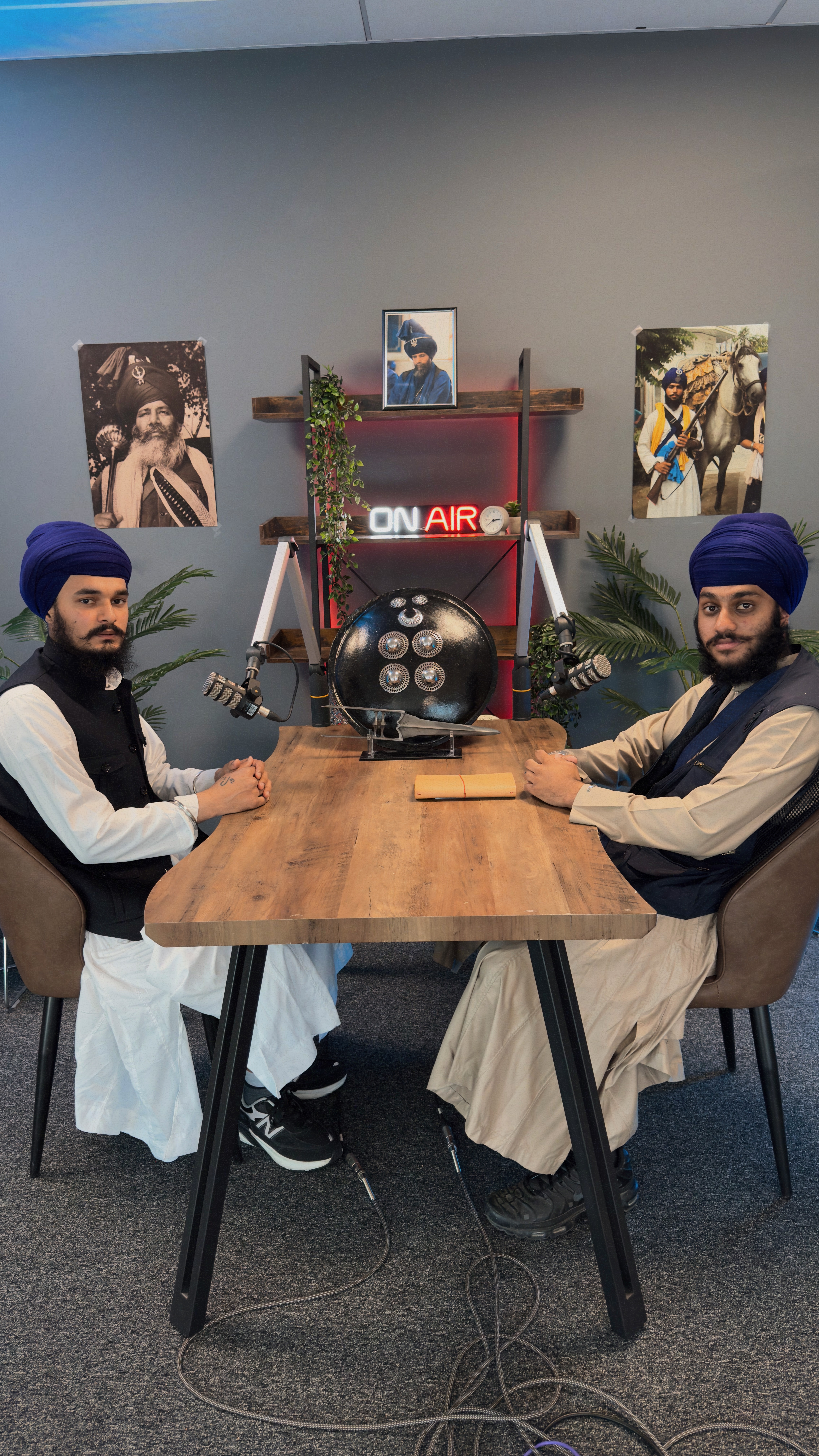
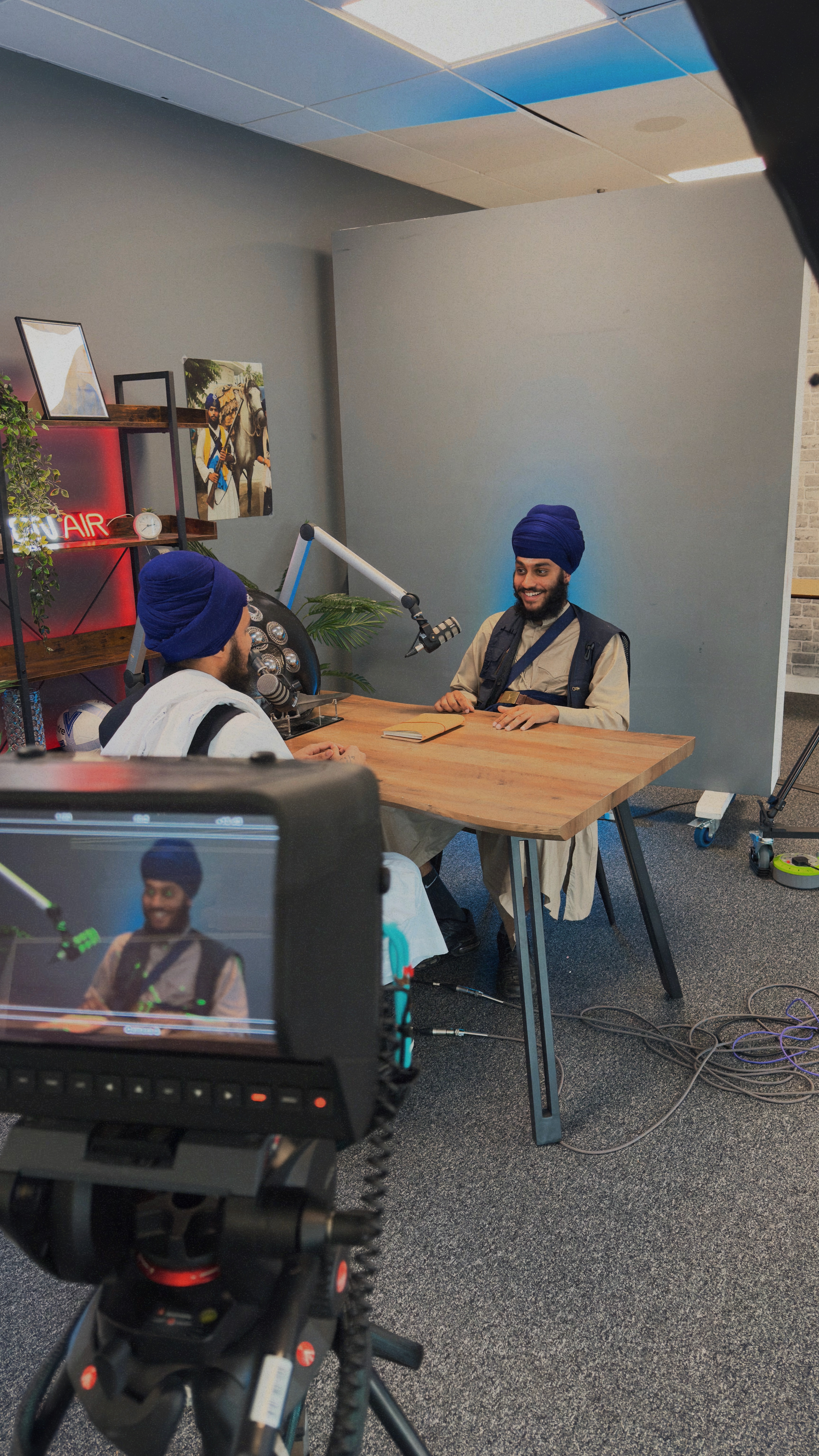
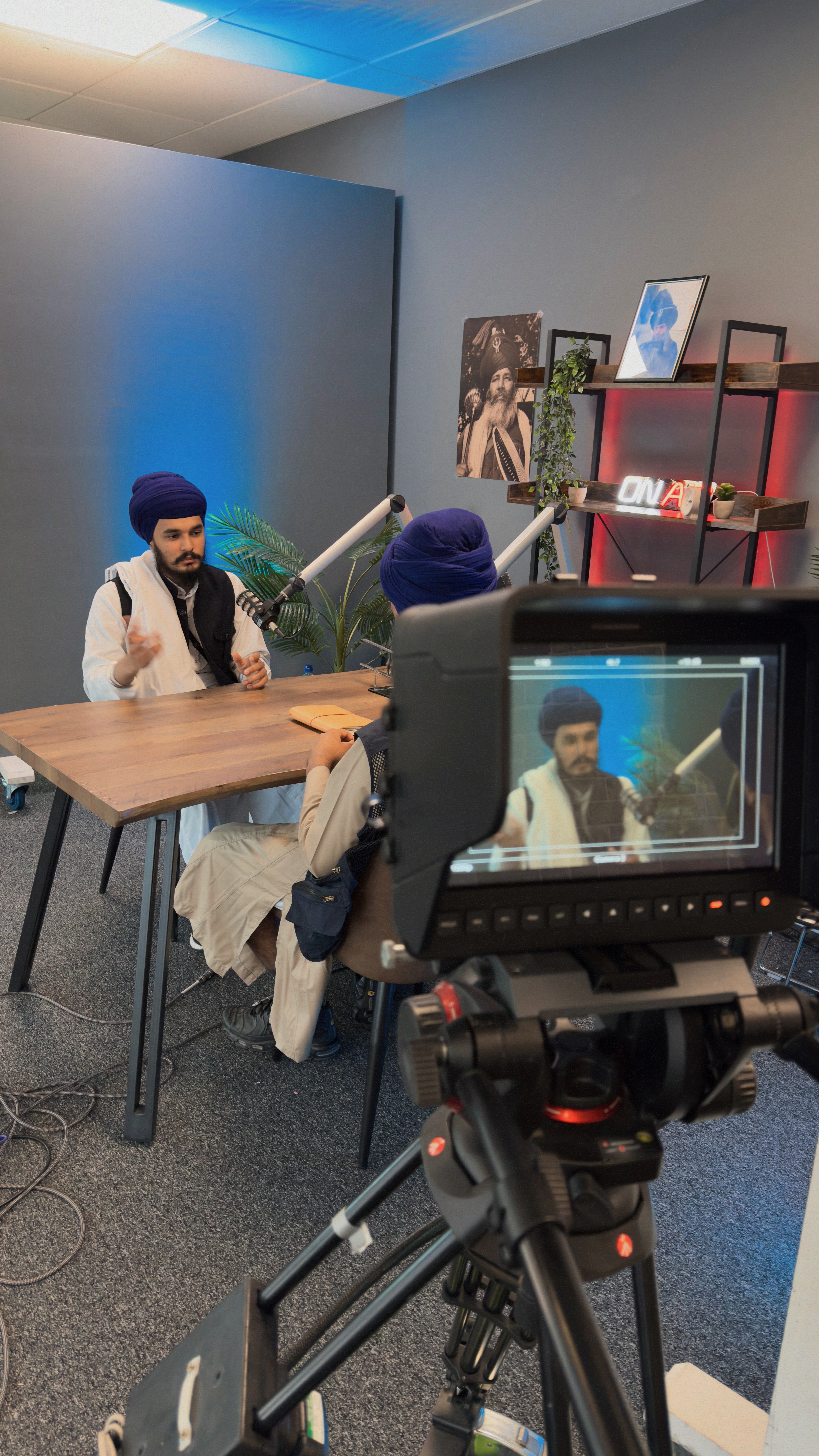

Above are images from the recording
When it came to editing the podcast, the overall process was relatively straightforward and minimal, much like the previous two episodes. Most of the work involved small adjustments — trimming pauses, fine-tuning audio levels, and ensuring smooth transitions — to create a clean and polished final product that matched the standard I had set for the series.
However, I encountered unexpected technical issues with Adobe Premiere Pro, which significantly slowed down the process. The software began to lag and crash frequently, making it difficult to edit efficiently. With only 2–3 days allocated for the full production — including recording, editing, and marketing — I didn’t have the luxury of losing time troubleshooting software issues.
As a result, I made the decision to shift to Riverside Studio for editing. Having already recorded and edited Episode 6 on the platform, I was confident in its reliability and familiar with its built-in tools. Riverside allowed me to maintain a fast-paced workflow without sacrificing quality.
This experience highlighted the importance of having a dependable and efficient editing platform, particularly when working under tight deadlines and managing the entire production process solo.
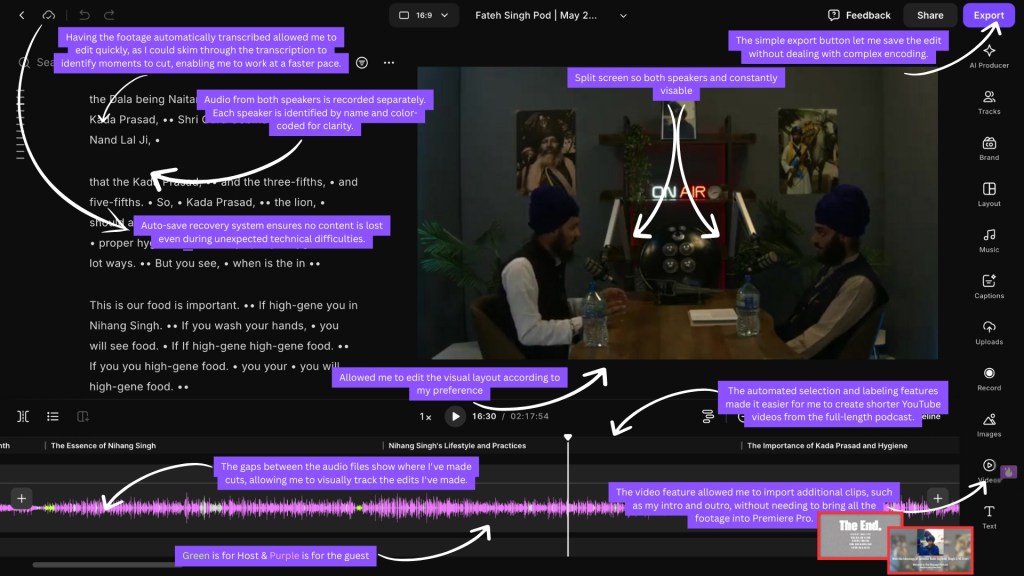
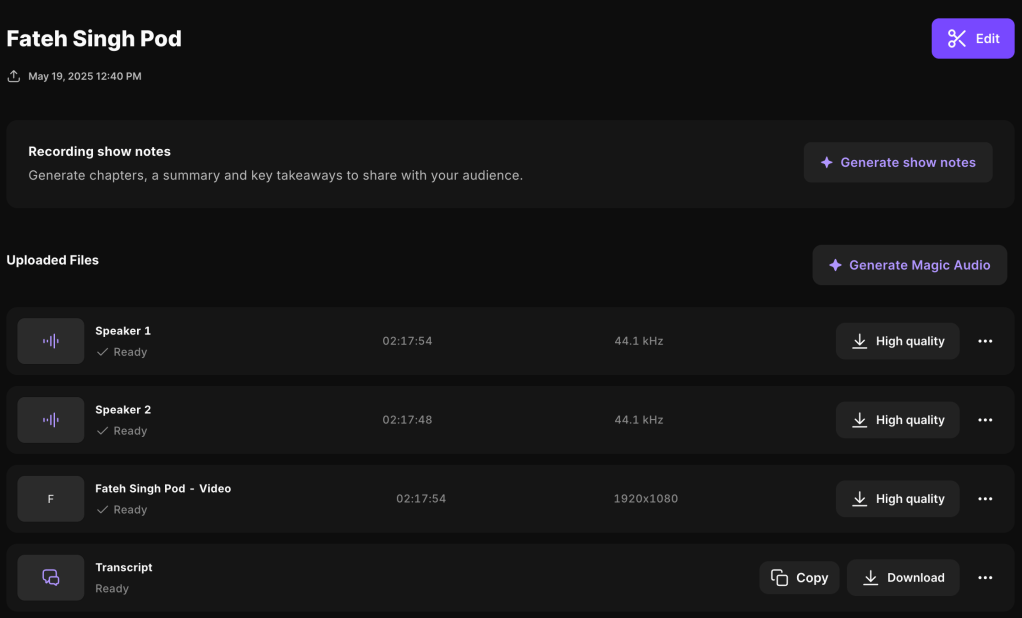


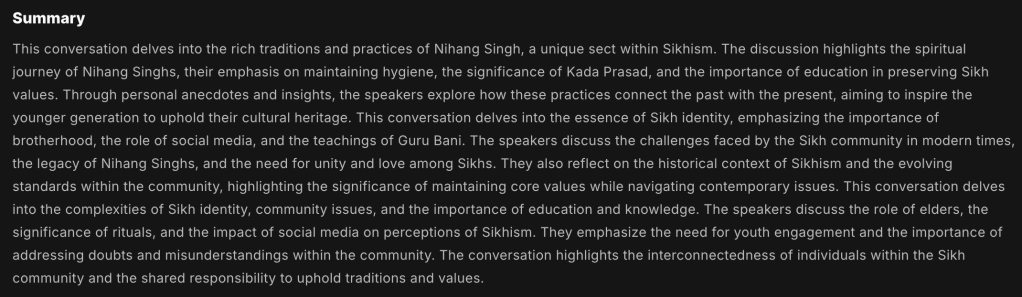
Utilising all of Riverside Studios features
While editing Episode 7, I also chose to utilise the AI-generated summary provided by Riverside Studio and incorporated it into the YouTube video description. This made the description more engaging, informative, and detailed, helping to highlight key moments and themes from the episode. This feature was especially helpful as I was on a very tight schedule. I had just 2–3 days to complete the full production process, including recording the episode, editing the video and audio, creating and scheduling social media content, and writing up the evaluation and written elements of my FMP. Having the Riverside summary saved me valuable time and allowed me to focus on other areas without compromising quality.
Thumbnail
When it came time to publish the episode, I uploaded it to Spotify and YouTube. At this stage, I also created the thumbnail artwork using Canva. I was really pleased with how the thumbnail for Episode 7 turned out, so I decided to maintain a consistent visual style. I kept the same bold font for brand consistency, while experimenting slightly with the background and title colours to give it a fresh yet recognisable look. This approach ensured a strong visual identity across episodes while still allowing for subtle creative variation.
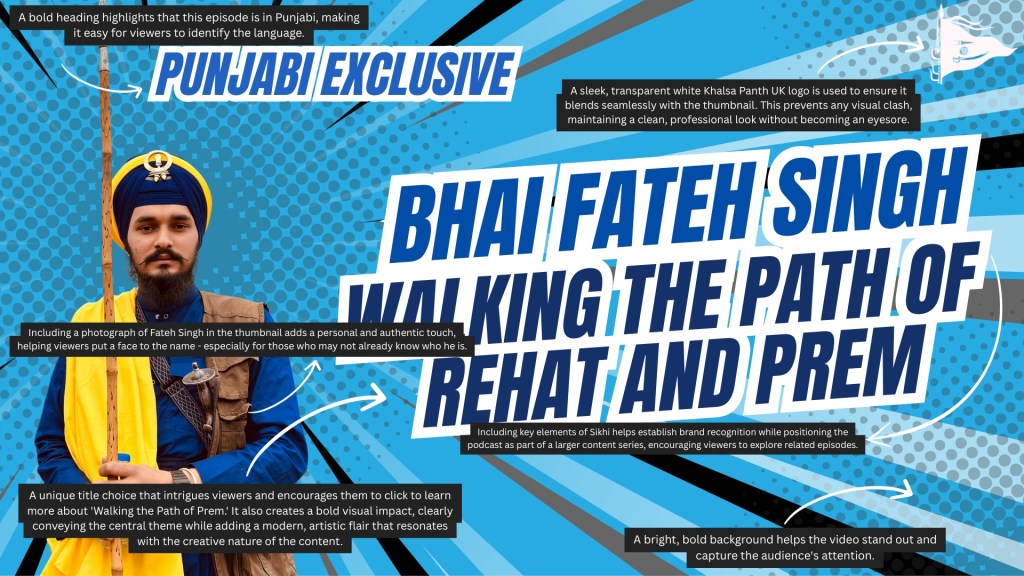
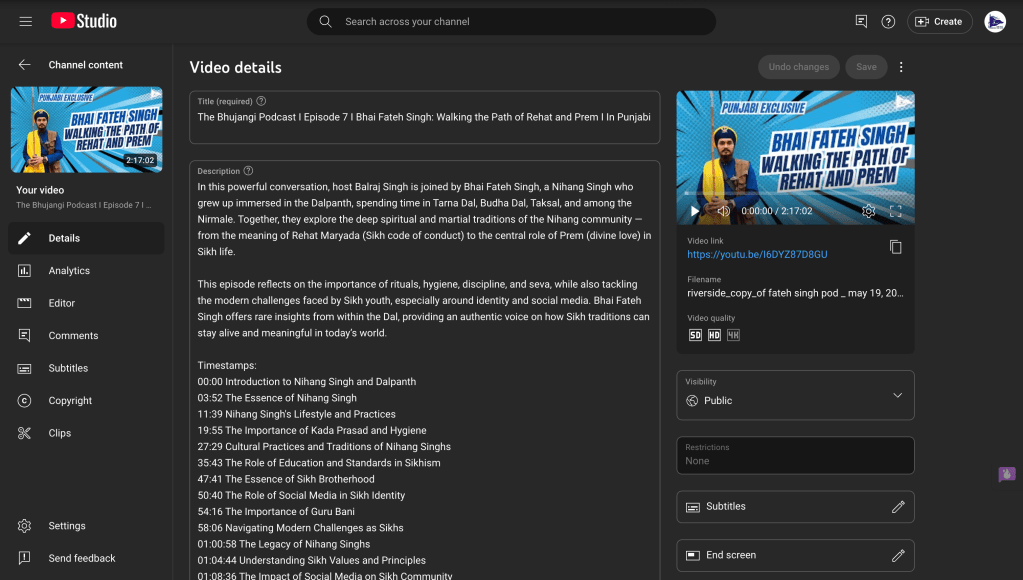
You can now watch the episode on Youtube below:
Uploading Podcast to Spotify
When publishing the podcast, I followed the same steps I had used for Episode 7 of Sikhfinity. Once again, I uploaded the video file to enhance the overall listener experience on Spotify, for those who prefer a more visual and immersive format. This approach also allowed me to maintain a consistent multimedia presence across both Spotify and YouTube, giving audiences on each platform the flexibility to engage with the podcast in the way that suited them best.
You can now listen to the episode on Spotify below:
Short Form reel content
ust like the previous podcast episodes and social media content, short-form reel content remained a key priority. I was fully aware that the majority of podcast listeners would be coming through Instagram.
To effectively capture their attention, it was essential to create bite-sized, engaging snippets of the podcast for Instagram, complete with catchy subtitles and hooks. These reels were designed to deliver a quick dopamine hit, sparking enough curiosity and interest for the viewer to go on and watch the full episode.
To create the short-form clips, I used Opus.ai – now rebranded as OpusPro.
This AI-powered platform was incredibly useful, as it helped me automatically identify strategic, high-performing segments from the full podcast episode.
By analysing speech patterns, tone, and engagement cues, OpusPro selects clips that are most likely to perform well on social media, saving me time while boosting the potential reach and impact of each reel.
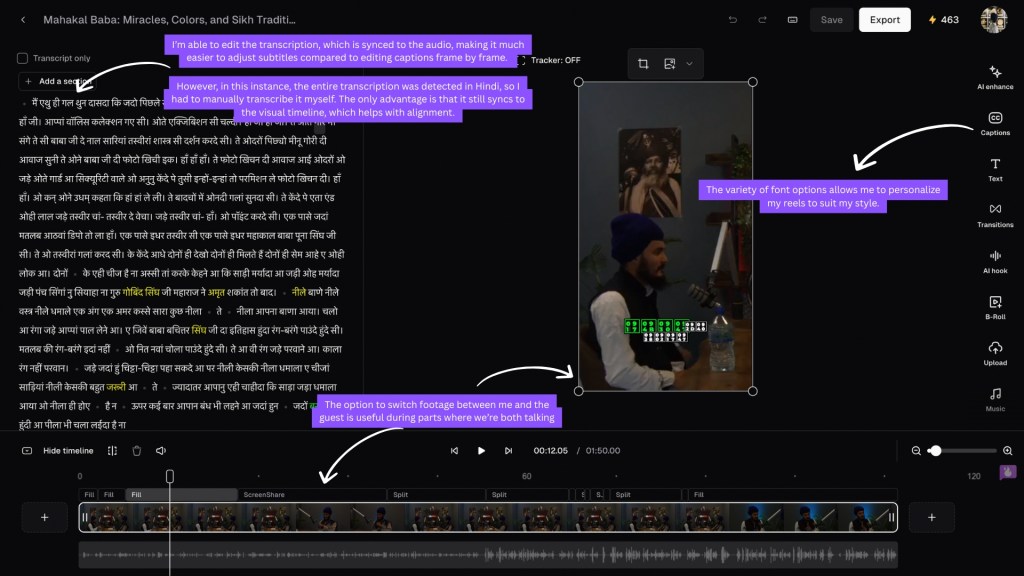
Watch one of the Instagram reels below:


 Balraj Singh 2025 Year 13 FMP