
Development Process
The Bhujangi Podcast was created as a platform to explore identity, culture, and lived experiences, particularly from underrepresented Sikh voices. The Planning and Production phases were crucial in bringing this vision to life.
This section outlines the full process — from concept development to recording — highlighting the logistical, creative, and technical elements that shaped the project. While detailed research is addressed in the Planning section, relevant insights are included here when they directly impacted production decisions.
Pre-Production / Planning

Pre-production involved setting a strong foundation for the podcast by clarifying its tone, audience, structure, and logistics. This included:
Concept Development
- The Bhujangi Podcast was shaped around exploring Sikh/Punjabi identity, generational trauma, masculinity, and creative expression.
- Early brainstorming led to selecting guests whose work aligned with these themes.
- Research into similar podcasts helped define the tone: open, reflective, and culturally anchored.
Audience Research
- Conducted analysis and found that there was a blank space in showcasing and representing the rich artistry within the Punjabi and Sikh community.
- Findings showed that South Asian youth audiences were especially interested in content around heritage, decolonisation, and art.
Guest Booking & Scheduling
- Reached out to key guests via social media and email, including:
- Harpreet Singh and Gurminder Singh
- Sukhdeep Singh (Sikhfinity) – a Dhadi Vaaran revivalist and digital creator.
- Jatinder Singh Durhailay – a London-based multidisciplinary artist.
- Scheduling was done flexibly due to guest availability, with contingency days built into the calendar.
Recording Environment
- Chose the Global Academy Podcast Suite for recording:
- Rode microphones for high-quality sound.
- Black Magic cameras and real-time vision mixer for dynamic visuals.
- Professional lighting setup.
- Free access to industry-level equipment allowed for a cost-effective yet high-production-value workflow.
Risk Assessment and DBS Check – In-Person Podcast Episodes 5 & 7
Overview of Episodes 5 & 7
- Episode 5 and Episode 7 will be recorded in person will involve guests being in the academy with under 18 students.
- These episodes require additional health, safety, and safeguarding considerations compared to remote recordings.
Risk Assessment
a. Location Hazards
- School Podcast Studio
- Potential risks:
- Trip hazards (wires, equipment)
- Fire evacuation safety
b. Equipment Safety
- Use of microphones, recording devices, lighting, and power sources.
- Procedures to avoid overheating, tripping, and electrical accidents.
c. Safeguarding Risks
- Especially important if working with minors or vulnerable individuals.
- Ensuring no guest is left unsupervised.
d. Control Measures
- Trained staff present
- First aid kit availability
- Emergency contact numbers on-site
- Schedule communicated to all parties
DBS (Disclosure and Barring Service) Check
Why It’s Necessary
- As the guests are coming into the academy, DBS checks help ensure the safety and legality of interaction.
- Helps maintain professional standards and trustworthiness of production.
Status of DBS Checks
- State whether the check is already complete, in progress, or if a supervising adult will be present instead, like last year.

Planning Episode 5 – Harpreet Singh & Gurminder Singh
When I began planning my production first Podcast episode this year, the guest planning was quite straight forward, as I already knew one guest and the other guest who I ended up inviting was the guest – Harpreet Singhs nephew.
The idea for this podcast episode was born during my second visit to Atam Academy in East London, where I met our second guest again during a Drop Down Day. I had been invited to give a talk on behalf of the podcast, which reflected how well the podcast had done the previous year—this being my second invitation to speak at the academy.
It was during this visit that I reconnected with Harpreet Singh and Gurminder. Harpreet pitched the idea of doing a podcast episode featuring a discussion with a Sehajdhari Singh—someone who is not yet Amritdhari. Gurminder, being such a Singh, was the perfect person for this conversation.
I loved the concept, and after a great conversation, we exchanged numbers and agreed to make it happen.
Planning the Episode
Planning this episode was quite straightforward. I know Harpreet personally—he’s a good family friend and someone I’ve already done a podcast with. Gurminder, being Harpreet’s relative, also made the process feel informal and easy-going.
We held a planning session over Zoom and a phone call, brainstorming ideas and drafting questions. That conversation, which lasted over an hour, was helpful as it felt just like the type of organic discussion we’d eventually record.
Once we had our topics lined up, I booked the Podcast Studio Suite. We made sure to find a day when everyone—myself, Harpreet, Gurminder, and Samir Datoo (our Vision Mixer)—was available.
Why I Wanted to Record This Podcast and Why I Chose These Guests
I wanted to record this podcast because it was a rare and meaningful opportunity. As far as I know, no platform or podcast has ever brought together a Sehajdhari Singh and an Amritdhari Singh for an open discussion. That alone made this idea stand out.
But the significance goes beyond that. Within the Nihang Singh community, there’s a common misconception that Nihangs are overly strict or unwelcoming. Being part of this tradition myself, I saw this episode as the perfect way to address that belief in a respectful and thoughtful way.
Both guests brought incredible value to the conversation.
Harpreet Singh is a Sixth Form teacher who teaches Philosophy and Law. He also works as a Sikh chaplain in UK prisons, where he supports Sikh inmates by listening to their stories and guiding them toward self-reflection and growth.
Gurminder works in the corporate sector at Ernst & Young (EY). His experience gives him the ability to offer practical advice to younger audiences trying to enter the corporate world. He also shares insights from his time at university and from navigating professional life as a Sikh.
Together, Harpreet and Gurminder bring different but equally powerful perspectives. One is deeply rooted in education and community work, the other in professionalism and career building. Recording this podcast gave us a chance to connect with a wide audience and create content that is not just informative, but inspiring. That’s always been one of the main goals of the podcast.

The reason for creating the group was so it was easy to co ordinate between the three of us.
It allowed us all to make quick updates to make sure everyone is in the loop.
Planning Episode 6: Sikhfinity
Why I Wanted to Record This Podcast and Why I Chose This Guest
Planning Episode 6 was quite straightforward. I had already been in contact with the guest, Sikhfinity, through my work with Khalsa Panth UK, where I serve as the Social Media Manager and Creative Director. Our team had already been in discussions with him for a potential collaboration, which made the process feel familiar and natural.
The idea for the episode came from a personal curiosity to learn more about the individual behind the name Sikhfinity—Sukhdeep Singh. His audio tracks and music are widely used across Punjabi and Sikhi-related reels, yet very few people actually know who he is or what his story looks like.
To me, it felt important to shine a light on the artists behind the content we all engage with. These creatives deserve recognition, not just for their talent and hard work, but because they contribute to a small and often overlooked space—Sikh art and creativity. It’s a niche, yet deeply valuable, community. As someone passionate about this space, I felt a responsibility to use my platform to support and uplift such voices.
Even when I began researching Sukhdeep Singh, I found very little available about him online. Most of what I know came from speaking directly with him and listening to his tracks, especially the ones that have gone viral. The lack of information made it even clearer that this episode could offer something new—putting a face and story to the name Sikhfinity.
Everything I could gather is already included in the research section of my podcast notes.
When it came to recording the podcast itself, I used Riverside Studio. The process was seamless—guests could join easily with just a link, which made it completely hassle-free for them. Before the official recording, we also did a practice run, which ended up lasting about an hour. During that session, we went over some of the planned questions and naturally drifted into conversation, which really helped establish a comfortable tone and flow for the actual episode.

There were two main things I had to take into consideration. First, making sure I had clear audio on my end, which was solved by using my Blue Yeti microphone. Second, working around the time zone difference, as the guest was abroad. This meant I had to schedule the recording for late in the evening—usually starting around 8 or 9 p.m.
Another major advantage of using Riverside was being able to extract high-quality WAV audio files, which was really important for me as I also upload episodes to streaming platforms. Having clean, professional audio is something I always prioritise, and this setup made that easy to achieve.
Planning Episode 7: Jatinder Singh Durhailay
Why I Wanted to Record This Podcast and Why I Chose This Guest
One of the main reasons I wanted to record this podcast was because I’ve been a long-time admirer of Jatinder Singh Durhailay. I’ve appreciated his work for years—his art, music, fashion, and martial arts are all incredibly inspiring. As someone with such a diverse creative range, he represents exactly the kind of guest I believe deserves more recognition within the Sikh and Punjabi community.
I wanted to use my platform to showcase the full scope of his talents: from his paintings, which draw inspiration from Mughal miniature art, to his bold ventures in high fashion, music, and modelling. His unique approach makes him stand out as an artist, and having him on the podcast felt like the perfect way to honour and spotlight that creativity.
Jatinder is more than just a creative, he’s a pioneer. Through this episode, I hope to highlight how artists like him can inspire Sikh youth to pursue paths in art, music, and culture, beyond the more traditional expectations of law, engineering, science, or medicine.
He serves as a powerful role model for those interested in expressing Sikhi through creativity.
He also holds a significant milestone: being the first turbaned Sikh to model for Louis Vuitton, one of the world’s most prestigious fashion houses. That achievement alone could be the focus of an entire podcast, exploring his journey, vision, and the cultural impact of his work.
On top of all that, Jatinder’s music is equally powerful. He plays classical Raag-based instruments—an art form that deserves much more recognition within the Sikh and Punjabi youth. His dedication to preserving and promoting Raag is not only culturally significant but religiously meaningful as well. In Sikhi, Kirtan is a central part of a Sikh’s jeevan (life), and his work helps reconnect the youth to this essential spiritual practice.
Planning the Podcast: Challenges & Adaptations
Planning this podcast proved to be quite difficult due to the lack of consistent communication from the guest, which was understandable considering his level of talent and likely busy schedule.
I was able to arrange a Google Meet with Jatinder, during which we discussed the themes we hoped to cover in the episode. I also invited him to share any personal stories or topics he felt would be meaningful to include, particularly insights from his career and personal journey that might not be publicly known.

Following that meeting, I reached out to confirm potential recording dates but didn’t receive a response for over a month. When he eventually did reply, I quickly arranged a date and booked the podcast studio.

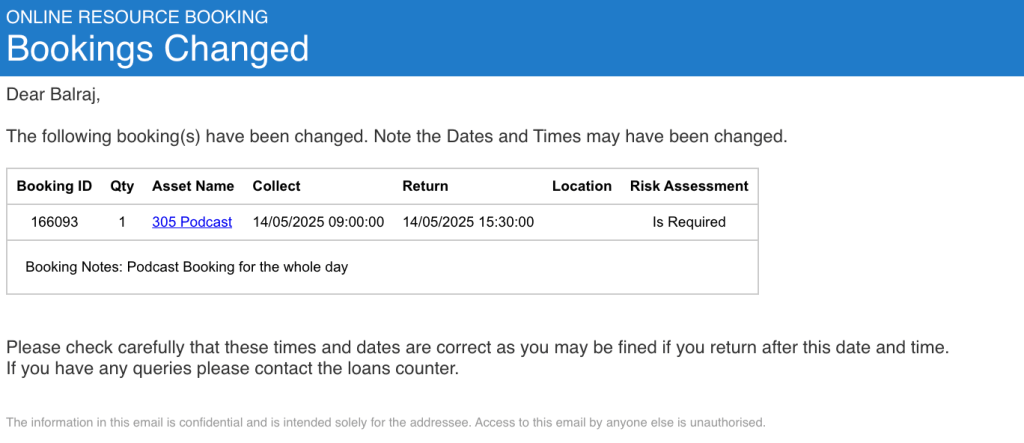
However, just two days before the scheduled recording, Jatinder messaged me to request a reschedule. A family member he cares for had fallen ill, and he had no choice but to postpone. While the situation was completely understandable and out of his control, it left me without a guest and no recorded episode; at a time when I was under significant pressure, with the final days of my FMP submission approaching.


This episode was especially important to me, as it was the one I had spent the most time researching. I was now left in a challenging position: either cancel Episode 7 or find a last-minute replacement. Complicating things further, I had already teased the episode publicly, creating an expectation among listeners for a surprise guest. Luckily, I hadn’t revealed Jatinder’s identity, which gave me flexibility.
I decided to reach out to a close friend of mine, Fateh, with whom I had previously discussed recording an episode back in the summer. I asked for his earliest availability, knowing that the turnaround would be tight. The recording, editing, and marketing of the new episode would all need to happen within 2–3 days, right before the FMP deadline.

This also meant I’d have to delay updating the written and evaluative components of the FMP until the very last moment.
Despite the unexpected shift, I was determined to make it work and deliver an episode that still reflected the passion and quality I intended for this series.
Planning the revised Episode 7: Bhai Fateh Singh
The decision to bring Fateh Singh on for Episode 7 came together very quickly, and the planning process was fast-paced due to tight deadlines.
I booked the podcast studio as soon as possible and immediately reached out to Fateh to arrange a call. Given his work schedule—he works night shifts as a security guard at an accommodation for asylum seekers, our availability didn’t align easily. To make it work, I stayed up until 2 am one night so we could speak during his break.

During the call, we had a focused discussion about the direction of the episode. We reviewed a range of potential topics, filtering out any that felt unnecessary, sensitive, or potentially problematic. Our goal was to narrow in on themes that would be most impactful and beneficial for the audience.
This quick yet thoughtful planning process allowed us to move forward with a clear structure for the episode, despite the time constraints.


 Balraj Singh 2025 Year 13 FMP